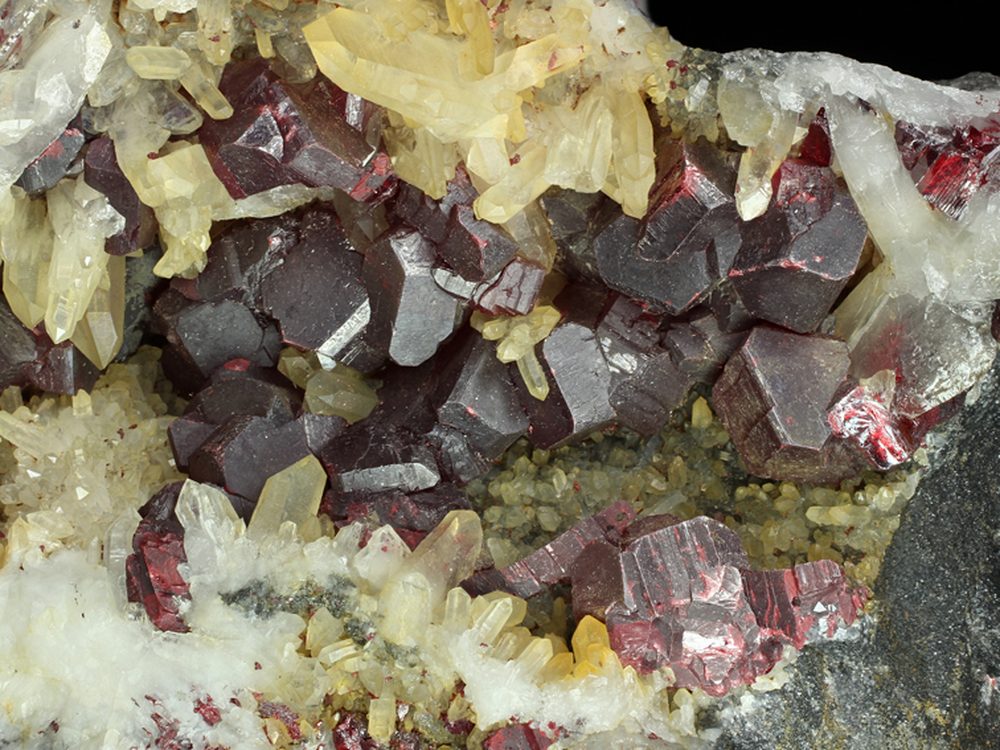
Every culture has a colour it trusts. China's, for three thousand years, has been cinnabar red — 朱砂, the colour of oracle-bone inscriptions, imperial seal paste, lacquerware, temple pillars, and the dot of red on a child's forehead at their first writing lesson. The material behind the colour is a mineral: mercury sulfide (HgS), the most red thing in the geological world.
The colour that wrote history
Cinnabar appears at the very start of Chinese writing: Shang-dynasty oracle bones were rubbed with vermilion before divination. It coloured the lacquer of the Marquis of Yi's tomb, the seals of every emperor, and the pillars of every temple since. Red was not decorative — it was protective, the colour that kept writing permanent and spirits honest. That is the lineage a cinnabar bead sits in.
What the bracelet is actually made of
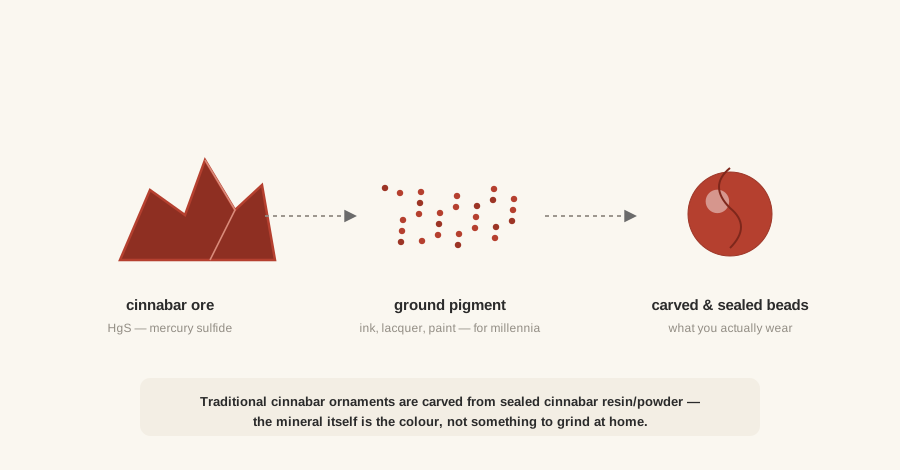
Honesty section, because this one matters. Natural cinnabar crystal is far too brittle and mercury-rich to drill and wear as-is. Traditional carved cinnabar ornaments — and every piece we sell — are made by binding cinnabar powder into a stable, sealed body that can be carved and polished. This is a real craft with centuries of history, not a modern shortcut. What you wear is genuine cinnabar pigment, bound.
Why fire people wear it
In the five-element mapping, cinnabar's red belongs to fire — the element of visibility, vitality and celebration. Charts that read cold, quiet or under-expressed are the classic candidates for a cinnabar piece; that is why our zodiac bracelets and wealth-god pieces are cut from it. Whether your chart wants fire is a question for the quiz, not for this article — and the care specifics live in the care guide.
Want this read on your own chart?
Two minutes, full birth data, no email needed — see which element your chart can actually use.
Keep reading
Obsidian & tiger eye in Chinese wear
Grounding vs focus: the two temperaments people traditionally assign these stones.
Read the article → StonesThe five wealth gods, decoded
What 五路财神 means, why five directions, and what the five colours stand for.
Read the article → StonesCaring for cinnabar & stone
Perfume, water, sunlight and storage — how to keep the beads looking their best.
Read the article →